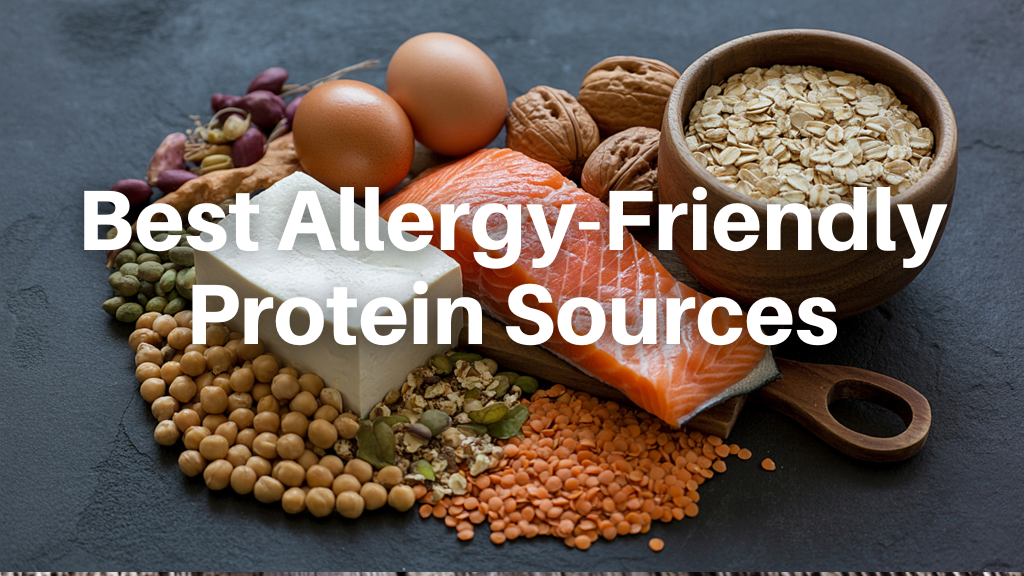
Finding enough protein with food allergies can feel overwhelming. Whether you’re avoiding peanuts, tree nuts, dairy, eggs, soy, or pea protein, it isn’t always easy to find foods that are both safe and high in protein.
A lot of the go-to options don’t work. Protein powders are often made with pea protein. Bars are filled with nuts, soy, or dairy. Even products labeled “plant-based” can contain ingredients you have to avoid.
So you end up asking the same question over and over: What can I actually eat that will help me meet my protein needs?
As a dietitian, I hear this question all the time. I recently worked with a high school athlete who needed to gain weight and build muscle but couldn’t have nuts or pea protein. Situations like this are more common than people realize, and they require a different approach.
When multiple foods are eliminated, it’s also important to make sure you’re still meeting your nutrient needs. My Food Allergy Nutrient Guide explains which nutrients to watch for and where to find them.
In this dietitian-created guide, you’ll find the best protein sources for people with food allergies, along with practical tips for building balanced meals that help you meet your protein needs with confidence.
How to Get Enough Protein with Multiple Food Allergies
Getting enough protein with multiple food allergies doesn’t have to mean relying on expensive protein powders or specialty products. In most cases, the key is combining a variety of safe protein sources throughout the day.
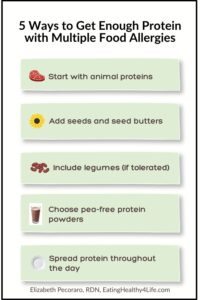
Here are five simple strategies that can help:
1. Start with animal proteins
Chicken, turkey, beef, pork, fish, eggs, Greek yogurt, and cottage cheese are some of the most protein-rich foods available. If these foods are safe for you, they can make meeting your protein needs much easier.
2. Add seeds and seed butters
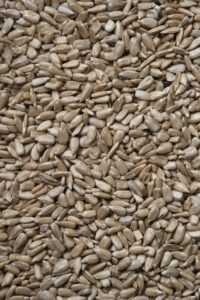
Hemp seeds, pumpkin seeds, sunflower seeds, and seed butters provide plant-based protein and healthy fats. They are excellent alternatives for people who cannot eat peanuts or tree nuts.
3. Include legumes if they are safe for you
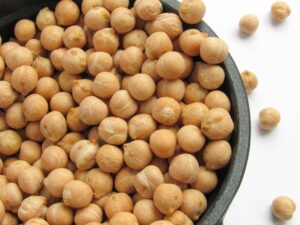
Beans, lentils, and chickpeas are affordable, nutrient-dense sources of protein and fiber. If you have a pea allergy or other legume allergies, talk with your allergist about which legumes are safe to include.
4. Choose pea-free protein powders when needed
If you need extra protein for sports, growth, or convenience, look for protein powders made with hemp, brown rice, or sunflower protein instead of pea protein. Always read ingredient labels carefully, especially if you’re managing multiple food allergies.
5. Spread protein throughout the day
Instead of trying to eat a large amount of protein at one meal, include a source of protein with each meal and snack. For example, pair Greek yogurt with fruit, add grilled chicken to a salad, or enjoy pumpkin seeds with an afternoon snack. If you’re looking for more ideas, check out my 100+ allergy-friendly snack ideas.
Knowing which protein sources are safe is only the first step. The next challenge is turning those ingredients into meals your family will actually eat. If you’re looking for more ideas, my award-winning Allergy-Friendly Cookbook includes family-friendly recipes made without many of the most common food allergens.
Best Animal-Based Allergy-Friendly Protein Options
While grains are not as protein-dense as meat or legumes, certain options contribute meaningful protein and nutrients, especially for individuals following plant-based or allergen-restricted diets. These foods can help round out total daily protein intake when combined with other sources.
Quinoa
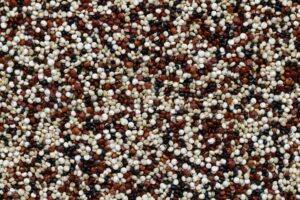
Quinoa is technically a seed, not a true grain, but it’s commonly prepared like one. It is considered a complete protein, meaning it contains all nine essential amino acids. While it does not provide as much protein per serving as meat or legumes, it can meaningfully contribute to overall intake. Quinoa works well in grain bowls, salads, breakfast porridge, or as a side dish.
Amaranth
Like quinoa, amaranth is a grain-like seed that offers more protein than many traditional grains. It has a slightly nutty flavor and can be cooked similarly to rice or used in porridge-style dishes.
Buckwheat
Despite its name, buckwheat is not related to wheat and is naturally gluten-free. It provides moderate protein and can be used in porridge, salads, or as the base for dishes like grain bowls.
Millet
Millet is a gluten-free grain that provides modest protein along with important minerals. It can be cooked as a fluffy side dish or incorporated into baked goods.
These options are not primary protein sources, but they can help increase overall intake when layered with legumes, seeds, or animal-based proteins.
Allergy-Friendly Protein Powders (Without Pea Protein)
Many plant-based protein powders rely heavily on pea protein. For individuals with pea allergies, that can significantly limit options. Fortunately, there are alternatives, and you can even make your own blend at home for greater ingredient control.
If you are specifically searching for protein powder without pea protein, focus on seed-based or rice-based blends rather than products simply labeled “plant-based.”
Before choosing a product, always review ingredient labels and facility statements carefully, especially if managing multiple food allergies.
Pea-Free Protein Powder Options

Hemp Protein Powder
Naturally free from nuts, dairy, soy, and pea protein. It provides complete protein along with fiber and healthy fats. It blends best into smoothies with fruit or dairy-free milk alternatives.
Brown Rice Protein
A pea-free alternative that works well in shakes and baking. While not a complete protein on its own, it contributes meaningfully to overall daily intake.
Sunflower Protein
Made from sunflower seeds, this option works well in nut-free households and schools. Always check for cross-contact warnings if avoiding multiple allergens.
Homemade Allergy-Friendly Protein Powder (Top 9 Allergen-Free and Pea-Free)
If you prefer full control over ingredients, you can make your own simple seed-based protein blend at home, especially if you’re already making allergy-friendly recipes at home.
Ingredients
1 cup hemp seeds
1/2 cup chia seeds
1/2 cup ground flaxseed
1/4 cup pumpkin seeds
Instructions
Blend all ingredients in a high-powered blender until finely ground. Store in an airtight container in the refrigerator to preserve freshness.
How to Use
Add 2–3 tablespoons to smoothies, oatmeal, yogurt alternatives, or baked goods for a protein boost.
Frequently Asked Questions About Allergy-Friendly Protein
What protein powder is safe if you are allergic to pea protein?
Many plant-based protein powders rely on pea protein, so it is important to check labels carefully. Hemp protein, brown rice protein, and sunflower protein are common pea-free alternatives. Always review ingredient lists and facility cross-contact statements if you are managing multiple food allergies.
How can I get enough protein with multiple food allergies?
Focus on layering protein sources throughout the day. Combine animal-based proteins, legumes (if tolerated), seeds, seed butters, and higher-protein grains. For individuals with more restrictive diets, working with a dietitian can help ensure adequate intake without relying on unsafe ingredients.
Are hemp seeds safe for people with nut allergies?
Hemp seeds are not tree nuts and are generally considered safe for individuals with nut allergies. However, cross-contact can occur during processing, so always review labels and confirm safety with your allergist if you have a history of severe reactions.
Are all legumes unsafe if you have a pea allergy?
Not necessarily. Peas are part of the legume family, but being allergic to pea protein does not automatically mean you will react to all legumes. Individual tolerance varies, and guidance from an allergist is important before introducing new foods.
What are the best Top 9 allergen-free protein sources?
Plain meats, poultry, certain seeds such as hemp and pumpkin, and carefully selected pea-free protein powders can provide reliable protein while avoiding common allergens. Always verify ingredient lists and manufacturing statements.
Living with multiple food allergies does not mean you have to compromise on protein or nutrition. With the right information and careful label reading, it is absolutely possible to build balanced meals using safe, reliable protein sources.
The key is understanding which options truly provide meaningful protein and how to layer them throughout the day. Whether you are fueling a growing athlete, managing Top 9 allergens, or navigating a pea protein allergy, thoughtful planning makes the process manageable.
Next Steps
If you’re looking for more practical food allergy resources, here are a few places to start:
- Download my 100+ Allergy-Friendly Snack Ideas for quick snack inspiration.
- Learn which nutrients deserve extra attention with my Food Allergy Nutrient Guide.
- Make mealtime easier with recipes from my Allergy-Friendly Cookbook.
Want more practical food allergy tips delivered to your inbox? Join my newsletter below.