When you think about food allergies, you might picture a reaction that starts shortly after eating. Alpha-gal syndrome can look different. Symptoms often appear hours after a meal, making the connection between food and a reaction harder to recognize.
And unlike many familiar food allergies, this one can begin after a tick bite.
What is alpha-gal syndrome?
Alpha-gal syndrome, or AGS, is an allergy to a sugar molecule called galactose-alpha-1,3-galactose, commonly shortened to alpha-gal. This molecule occurs naturally in most mammals, including cows, pigs, and sheep, but not in people.
People with AGS may react after eating mammalian meat or being exposed to other products containing alpha-gal. Although it is sometimes called “red meat allergy,” that name doesn’t capture every possible source.
How can a tick bite lead to a food allergy?
A tick bite can trigger the immune system to become sensitive to alpha-gal. After that sensitization, exposure to alpha-gal may cause an allergic reaction.
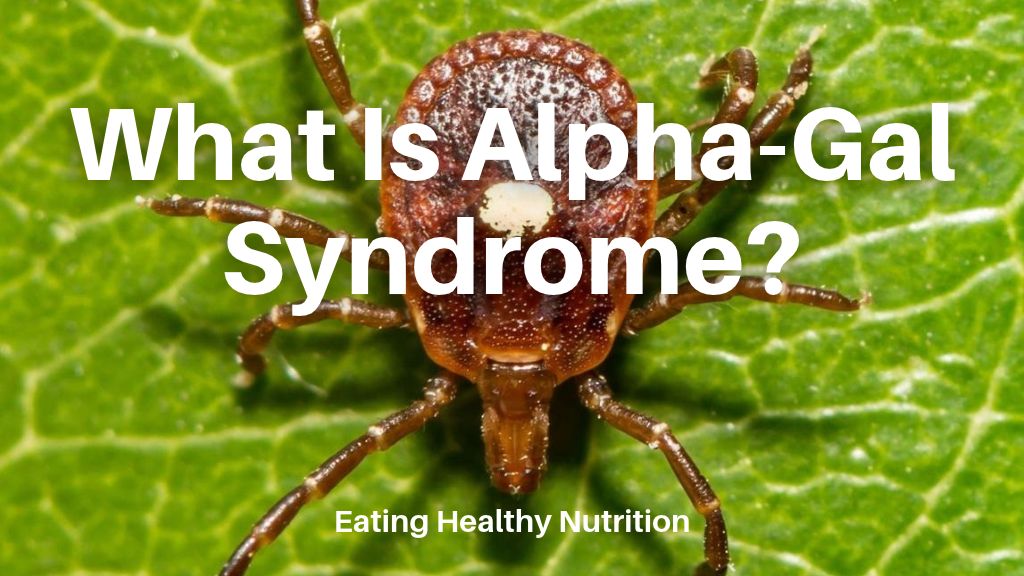
In the United States, alpha-gal syndrome is primarily associated with the lone star tick. However, a few cases have also been reported following bites from blacklegged and western blacklegged ticks.
A tick bite does not automatically mean someone will develop AGS. Researchers are still studying why some people develop this allergy and others do not.
What symptoms should you watch for?
Symptoms usually begin two to six hours after eating a food containing alpha-gal. Possible symptoms include:
- Hives or an itchy rash
- Stomach pain, nausea, vomiting, or diarrhea
- Swelling of the lips, tongue, or throat
- Difficulty breathing
- Dizziness, faintness, or a drop in blood pressure
Reactions can range from mild symptoms to life-threatening anaphylaxis. They can also vary between exposures, even to the same food.
Recognizing the delayed reaction
The delay is one of the most confusing features of AGS. A reaction after dinner might not begin until bedtime or the middle of the night.
Rather than relying on timing alone to identify a trigger, write down what you ate, when you ate it, and when symptoms started. Bring that information to your healthcare provider. The delay is an important clue, but it cannot establish the diagnosis by itself.
How is alpha-gal syndrome diagnosed?
Diagnosis involves your symptoms, medical history, and testing. Your healthcare provider may order a blood test for alpha-gal-specific immunoglobulin E, or IgE, antibodies.
A positive blood test alone does not mean you have AGS. Some people have detectable antibodies without experiencing allergic reactions. Your provider must interpret the result alongside your history, including the timing of symptoms and possible tick exposure.
Skin testing may sometimes contribute to the evaluation, but the alpha-gal-specific IgE blood test is the main laboratory test used.
Which foods and ingredients can cause reactions?
CDC identifies several foods and ingredients that may contain alpha-gal, including:
- Beef, pork, lamb, venison, rabbit, and other mammalian meats
- Mammalian organ meats
- Beef- or pork-derived gelatin
- Lard, tallow, and other mammalian fats
- Mammalian meat broths, stocks, and gravies
- Milk and dairy products

Not everyone needs to avoid every item on this list. Many people with AGS tolerate dairy. Your allergist can help determine which foods and ingredients you need to avoid.
Poultry, fish, seafood, eggs, fruits, and vegetables do not naturally contain alpha-gal. Prepared dishes still need to be checked for added ingredients, such as mammalian broth or cooking fat.
Reading ingredient labels is especially important when managing food allergies. My guide to reading food labels explains what to look for and how to navigate ingredient statements.
Meeting your nutrition needs with alpha-gal syndrome
Avoiding mammalian meat does not automatically lead to a nutrient deficiency. However, it is important to replace the nutrients those foods may have previously provided rather than simply removing them from your diet.
Depending on which foods you need to avoid, nutrients to pay attention to may include protein, iron, vitamin B12, zinc, calcium, and vitamin D.
As a registered dietitian, I want to emphasize that managing AGS isn’t just about identifying foods to avoid. It’s also about making sure your diet remains balanced and nutritionally adequate.
Choose a variety of protein sources
Alpha-gal-friendly protein options include:
- Poultry
- Fish and seafood
- Eggs
- Beans and lentils
- Tofu and other soy foods, if tolerated
- Nuts, seeds, and their butters, if tolerated
- Dairy products, if included in your individual plan

If you’re looking for more ideas, I’ve put together a guide to allergy-friendly protein sources that can help you build balanced meals around your individual dietary needs.
Replace key vitamins and minerals
Iron can be found in poultry, seafood, beans, lentils, tofu, leafy greens, and fortified cereals. Pairing plant sources of iron with a vitamin C-rich food can help improve absorption.
Vitamin B12 is available in fish, seafood, poultry, eggs, dairy products, and fortified foods. Zinc can be found in poultry, seafood, beans, seeds, eggs, and whole grains.
If you also need to avoid dairy, look for calcium and vitamin D in foods such as fortified plant-based milk, calcium-set tofu, leafy greens, canned salmon with soft bones, fatty fish, eggs, and other fortified foods. Check plant-based milk labels carefully because their protein and nutrient content can vary.
Keep meals simple
A balanced meal can be built from an alpha-gal-friendly protein, a grain or other starch, and fruits or vegetables. Examples include:
- Oatmeal made with fortified plant milk, berries, and an egg
- A grilled chicken, quinoa, and vegetable bowl
- Lentil soup with whole-grain bread and a salad
- Baked salmon with brown rice and roasted vegetables

Food choices should always be adjusted for your individual allergies. A registered dietitian can help identify possible nutrition gaps, especially when dairy or several other foods must also be avoided.
What does everyday management involve?
Management includes identifying your triggers, preventing additional tick bites, and preparing for accidental exposure.
Work with your allergist on an emergency plan and learn how to use any prescribed epinephrine. For suspected anaphylaxis, use prescribed epinephrine promptly and seek emergency care.
Tell your healthcare team about AGS before receiving medications or medical products. Some contain mammal-derived ingredients, but decisions about avoiding or replacing them should be made with your provider.
Preventing further tick bites also matters because new bites may reactivate or worsen sensitivity. Use appropriate insect repellent, check for ticks after outdoor activities, and follow guidance for protective clothing.
Can alpha-gal syndrome improve?
Some people become less sensitive over time, particularly when they avoid additional tick bites. However, improvement varies, and trying a previously avoided food should be an individualized decision made with your allergist.
An AGS diagnosis can require changes, but those changes should fit your actual needs. A clear medical plan and practical nutrition support can help you manage the allergy without adding unnecessary food restrictions.